
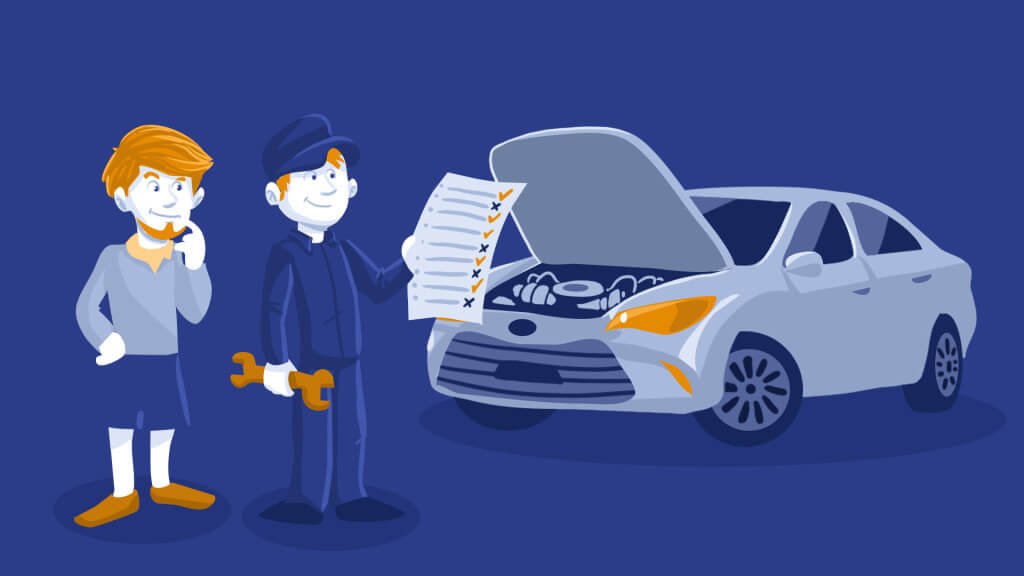
Buying a used car is a significant investment. While a vehicle may look attractive from the outside, its actual condition can be very different beneath the surface. Hidden mechanical problems, previous accident damage, electrical faults or incomplete maintenance records can create unexpected expenses for buyers.
This is why professional Car Inspection and Vehicle Inspection services are becoming increasingly important. A detailed inspection helps buyers understand the vehicle's condition, identify potential issues and make more informed purchasing decisions.
Whether you are planning a Pre Purchase Car Inspection, evaluating a second-hand vehicle or arranging a professional Used Car Inspection, understanding the inspection process can help you avoid unnecessary risks.
In this guide, we will explore the different types of automotive inspections, important vehicle components, inspection checklists, digital inspection solutions and the benefits of obtaining a professional Car Condition Report.
What is car inspection?
Car Inspection, also known as Automotive Inspection, is a systematic process of evaluating a vehicle's overall condition, safety, performance and functionality.
A professional inspection examines different vehicle components, including the engine, transmission, brakes, suspension, tyres, electrical systems, interior and exterior bodywork.
A comprehensive Vehicle Health Check helps identify visible defects, potential mechanical problems and maintenance requirements. Depending on the inspection requirements, the process may include:
- Mechanical Inspection: Evaluating major mechanical components and identifying visible signs of wear or damage.
- Engine Inspection: Checking engine condition, leaks, unusual noises and overall performance.
- Electrical System Inspection: Examining lights, wiring, electronic controls and electrical components.
- Brake System Inspection: Assessing brake pads, discs and other accessible braking components.
- Suspension Inspection: Checking suspension components and visible signs of damage or wear.
- Tyre Condition Check: Evaluating tyre tread, wear patterns and overall tyre condition.
- Battery Health Check: Assessing battery condition and basic electrical performance.
- Exterior Damage Inspection: Identifying dents, scratches, paint damage and possible previous repairs.
- Interior Condition Inspection: Checking seats, dashboard, controls, upholstery and cabin features.
Together, these checks provide a better understanding of the vehicle's current condition.
Why is pre purchase car inspection important?
A Pre Purchase Car Inspection is one of the most useful steps before purchasing a second-hand vehicle. Many buyers make decisions based on appearance, price and a short test drive. However, these factors alone may not reveal underlying vehicle problems. A professional Used Vehicle Assessment can help identify concerns that may influence the purchasing decision.
1. Identify hidden mechanical problems
An experienced inspector can perform a detailed Engine Inspection, Transmission Inspection and other mechanical checks to identify visible warning signs. This may include fluid leaks, unusual engine sounds, worn components and other potential mechanical concerns.
2. Check previous accident damage
A professional Vehicle Damage Assessment examines the exterior and structural areas of a vehicle for visible signs of previous damage or repairs. An Exterior Damage Inspection, Paint Quality Inspection, Chassis Inspection and Rust Detection can help identify concerns that may not be obvious during a normal viewing. However, these checks cannot independently guarantee a complete accident history.
3. Evaluate vehicle safety
A Vehicle Safety Inspection focuses on important safety-related components, including brakes, tyres, suspension, lights and other relevant systems. A Roadworthiness Test may also be required depending on applicable regulations and the purpose of the inspection.
4. Verify vehicle documents
Vehicle condition is only one part of the purchasing decision. Buyers should also review available documentation. A Vehicle Documentation Check may include:
- RC Verification
- Insurance Verification
- Vehicle Ownership Verification
- Service History Check
- Registration and identification details
- Available maintenance and repair records
Documentation verification should be performed through appropriate records and authorized sources wherever possible.
5. Make a better buying decision
A detailed Car Quality Assessment helps buyers understand the vehicle's strengths, existing concerns and possible maintenance requirements. The findings can support better discussions about pricing, repairs and the overall purchase decision.
Types of vehicle inspection
Different inspection requirements call for different assessment methods. The following are some commonly used inspection services.
1. Pre purchase car inspection
A Pre Purchase Car Inspection is performed before buying a used vehicle. It generally covers mechanical components, exterior and interior condition, safety-related systems and available documentation.
2. Used car inspection
A Used Car Inspection focuses on evaluating the current condition of a pre-owned vehicle. It helps buyers understand existing wear, visible damage and possible repair requirements.
3. Pre delivery inspection (PDI)
A Pre Delivery Inspection, commonly called PDI Inspection, is performed before a vehicle is delivered to its customer. It generally includes checking the vehicle's exterior, interior, basic functionality, accessories and relevant delivery documentation.
4. Professional car inspection
A Professional Car Inspection involves a structured assessment performed by an experienced automotive inspector using relevant inspection procedures and checklists.
5. Mobile car inspection
Mobile Car Inspection allows customers to request an inspection at a preferred vehicle location. Through On Site Vehicle Inspection, an assigned inspector can visit the vehicle and perform the required assessment without the customer having to arrange transportation to an inspection centre.
6. Car diagnostic inspection
A Car Diagnostic Inspection focuses on identifying potential electronic and engine-management issues. It may include OBD Scanning, diagnostic trouble-code checks and an Engine Performance Check, depending on the vehicle and available equipment.
Complete vehicle inspection checklist
A structured Vehicle Inspection Checklist helps inspectors follow a consistent process and document their observations. Below are the important areas generally considered during a comprehensive inspection.
Engine and mechanical components
An Engine Inspection helps evaluate visible engine conditions and identify possible mechanical concerns. Important checks include:
- Engine starting and idle behaviour
- Unusual sounds and vibrations
- Visible oil and coolant leaks
- Engine mounting condition
- Belts and hoses
- Fluid levels and visible contamination
- General engine performance
An Engine Performance Check and diagnostic assessment may provide additional information about the vehicle's operating condition.
Transmission inspection
The Transmission Inspection focuses on the gearbox and related components. Depending on the transmission type, an inspector may evaluate:
- Gear shifting behaviour
- Unusual noises
- Visible fluid leakage
- Clutch operation in applicable vehicles
- General transmission performance
Brake system inspection
The Brake System Inspection is important for evaluating vehicle safety. It may include:
- Brake pad condition
- Brake disc condition
- Brake fluid level
- Visible brake line condition
- Parking brake operation
- Warning indicators
Suspension and tyre inspection
A Suspension Inspection and Tyre Condition Check help identify visible wear and potential handling-related concerns. Inspectors may examine:
- Shock absorbers and struts
- Suspension joints and bushings
- Tyre tread depth
- Uneven tyre wear
- Visible tyre damage
- Wheel alignment symptoms
Battery and electrical system inspection
A Battery Health Check helps evaluate battery condition and basic starting-system performance. An Electrical System Inspection may include:
- Battery terminals
- Headlights and tail lights
- Indicators and hazard lights
- Power windows
- Dashboard warning lights
- Infotainment system
- Air conditioning controls
- Other electrical accessories
Exterior and interior condition
A detailed exterior and interior assessment helps determine the vehicle's cosmetic and functional condition. An Exterior Damage Inspection may identify:
- Scratches and dents
- Paint inconsistencies
- Signs of previous body repairs
- Rust and corrosion
- Glass and windshield damage
- Panel alignment concerns
A Paint Quality Inspection and Rust Detection can provide additional information about visible bodywork conditions. The Interior Condition Inspection may cover:
- Seat and upholstery condition
- Dashboard and instrument cluster
- Steering wheel and controls
- Door panels
- Floor carpets
- Cabin electronics
- Signs of unusual wear or damage
OBD scanning and diagnostic checks
Modern vehicles contain electronic control systems that can store diagnostic information. OBD Scanning helps retrieve supported diagnostic trouble codes and identify potential issues within monitored vehicle systems. A Car Diagnostic Inspection may include reviewing:
- Stored diagnostic trouble codes
- Engine warning indicators
- Available sensor information
- Supported electronic system faults
- Relevant diagnostic data
Diagnostic scanning does not identify every mechanical or electrical problem, so it should be considered alongside physical inspection.
Mileage and vehicle verification
A Mileage Verification check involves comparing the displayed odometer reading with available service records and other supporting information. A broader Vehicle Verification process may include checking the vehicle's identifying details and available registration records.
It is important to understand that mileage checks and document reviews cannot always independently establish the complete history of a vehicle.
Understanding a car condition report
A Car Condition Report is an important outcome of a professional inspection. It documents the observations and findings collected during the assessment. A well-structured Vehicle Inspection Report may contain:
- Vehicle make, model and registration details
- Inspection date and location
- Vehicle identification details
- Engine and mechanical assessment
- Transmission and braking observations
- Suspension and tyre condition
- Battery and electrical system findings
- Exterior and interior condition
- Photographs of visible defects
- Diagnostic observations, where applicable
- Documentation verification status
- Overall inspection summary
A report may classify individual components as satisfactory, requiring attention or requiring further evaluation. The report should clearly distinguish between visually inspected items, tested components and areas that could not be verified.
How digital vehicle inspection software is transforming automotive inspection
Traditional inspection businesses often depend on manual paperwork, spreadsheets, phone calls and separate communication channels. Managing customer enquiries, inspector assignments, inspection checklists and report preparation through disconnected processes can become challenging as operations grow.
A digital Automobile Inspection Platform helps bring these activities together through a centralized system. Such a platform can support the complete workflow of Car Inspection Services, from customer request submission to final report delivery.
Customer website or application
A customer-facing platform can allow users to:
- Explore available inspection services
- Request a Pre Purchase Car Inspection
- Submit vehicle information
- Share their preferred inspection location
- Select available appointment slots
- Track inspection request status
- Access completed Vehicle Inspection Reports
Inspector mobile application
A dedicated mobile application can help inspection professionals manage their assigned work. Its capabilities may include:
- View assigned inspection requests
- Access customer and vehicle information
- Follow a digital Vehicle Inspection Checklist
- Perform and record Mechanical Inspection observations
- Upload photographs of vehicle damage
- Add inspection remarks
- Complete inspection assessments
- Submit the final Car Condition Report
Admin management panel
A centralized admin panel can help businesses manage their daily inspection operations. Administrators may be able to:
- Manage customer requests
- Assign inspectors
- Schedule inspection appointments
- Manage inspection service categories
- Monitor job progress
- Review submitted reports
- Maintain customer and inspector records
- Track business performance
These features help create a more structured operational environment for automotive inspection businesses.
Benefits of digital car inspection services
Digital solutions can improve the way inspection businesses organize their services and interact with customers.
1. Better inspection management
A centralized platform makes it easier to manage inspection requests, assignments and completed reports.
2. Standardized inspection procedures
Digital checklists help inspectors follow consistent assessment steps across different vehicle categories.
3. Organized inspection records
Photographs, observations and reports can be maintained digitally for easier access and reference.
4. Improved customer experience
Customers can submit inspection requests and receive updates through a more organized process.
5. Efficient inspector coordination
Businesses can manage inspector assignments, schedules and inspection progress from a central dashboard.
6. Business scalability
A well-planned digital platform can support additional inspection services, locations and operational requirements as the business expands.
How to choose the right car inspection service?
Before selecting a Car Inspection Service, customers should consider a few important factors:
- Check whether the inspection covers major mechanical and safety components
- Understand whether diagnostic scanning is included
- Ask whether a detailed Vehicle Inspection Report is provided
- Confirm whether the inspection includes photographs
- Check whether the service offers Mobile Car Inspection or On Site Vehicle Inspection
- Understand the scope of documentation and accident-history checks
- Review the experience and inspection process of the service provider
- Confirm what is included and excluded from the inspection
Choosing the right inspection service can help buyers receive more useful information before purchasing a used vehicle.
The future of automotive inspection
The automotive industry is becoming increasingly connected with digital technologies. Vehicle inspection businesses are also exploring ways to make their operations more organized, efficient and accessible.
Digital inspection applications, cloud-based reporting, automated workflows and advanced diagnostic technologies are creating new opportunities for automotive businesses. Artificial intelligence may also support future inspection processes through image-based damage identification, report assistance and data analysis.
However, technology should complement professional automotive assessment rather than replace qualified inspection expertise. As customer expectations continue to evolve, digital solutions will play an increasingly important role in the way Car Inspection Services are delivered and managed.
Conclusion
A professional Car Inspection is an important step in understanding the actual condition of a vehicle before purchasing it. From Engine Inspection and Brake System Inspection to Exterior Damage Inspection and Vehicle Documentation Check, every assessment contributes to a more informed buying decision.
Whether you need a Pre Purchase Car Inspection, Used Car Inspection, Vehicle Health Check or complete Vehicle Inspection Report, a structured inspection process can help identify potential concerns and reduce uncertainty.
For automotive businesses, digital inspection platforms provide an opportunity to simplify booking management, coordinate inspectors, maintain inspection records and improve customer communication.
At AVEQRO Technologies, we develop custom software solutions, web applications and mobile applications based on business requirements. If you are planning to build a Car Inspection Services platform, Mobile Car Inspection application or a complete Automobile Inspection Platform, our team can help transform your business idea into a practical digital solution.
Have a project in mind? Connect with AVEQRO Technologies and let us discuss your software requirements.